
No single statistic can determine which sports are most popular in Italy. Fitness, swimming and running attract millions of participants but do not depend on professional spectatorship. Football, tennis and motorsport, by contrast, benefit from extensive television coverage, major competitions and nationally recognised athletes.These differences also matter to brands working with a custom sportswear manufacturer, as participation patterns help determine which product categories and markets offer the strongest opportunities.
This ranking combines two sets of comparable data:
- Sports participation data for 2024 published by the Italian National Institute of Statistics, or Istat
- A 2024 Demos survey measuring interest in different sports among Italians
The latest nationwide Istat survey found that more than 21.5 million Italian residents aged three and over participated in at least one sport in 2024. That represented 37.5% of the relevant population. The year 2026 in the title refers to when this article was updated; it does not mean that every statistic was collected in 2026. Istat
1. Football
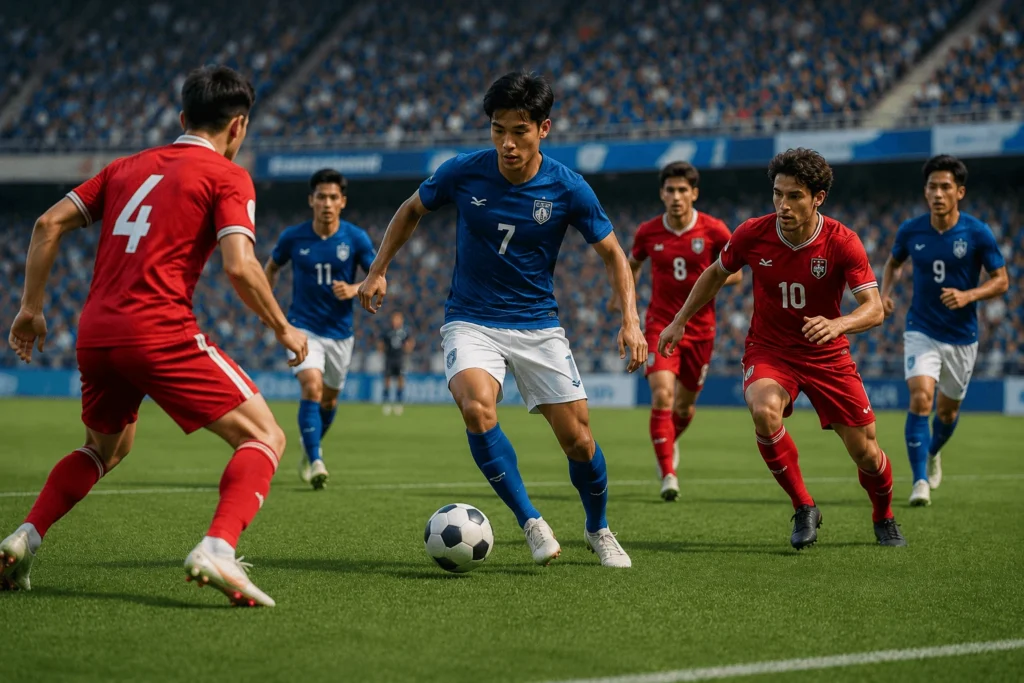
Football remains the most influential sport in Italy when participation, spectatorship and cultural importance are considered together.
Approximately 4.33 million people played football, five-a-side football or eight-a-side football in 2024. They represented 20.3% of all sports participants in Italy. Although that was lower than the 25.7% recorded in 2000, football still had considerably more participants than any other individual team sport.
The game is especially popular among boys and men. Istat found that 34.4% of male sports participants played football, compared with 1.5% of female participants. Almost half of all sports-active children between the ages of three and ten played some form of football.
Football’s lead is even clearer when fan interest is considered. The Demos survey found that 53% of Italians followed the sport, the highest figure recorded for any category. Serie A, the Italian national team and clubs such as Juventus, Inter Milan and AC Milan sustain its national profile.
Football may no longer be Italy’s largest activity by participation, but its combination of grassroots involvement, professional infrastructure and supporter interest keeps it firmly in first place overall.
2. Tennis
Tennis has experienced the most striking rise in fan interest among Italy’s major sports.
The proportion of Italians following tennis increased from 21% in 2016 to 39% in 2024. That rise took tennis past Formula 1 and made it the country’s second-most-followed sport after football. FITP
Jannik Sinner’s success has played a major role in this growth. Italy’s performances in the Davis Cup and Billie Jean King Cup, together with greater exposure for domestic ATP and WTA events, have also brought tennis to a much wider audience.
Participation figures require more careful interpretation. Istat groups tennis with other ball-and-racket sports. Together, these activities were practised by 8.5% of Italian sports participants in 2024, equivalent to approximately 1.83 million people. Because the category includes padel, the entire figure cannot be attributed to tennis alone.
Padel accounted for approximately 634,000 participants, or 2.9% of all sports participants. Its rapid expansion has increased Italy’s overall racket-sports population and introduced new customers to many traditional tennis clubs.
This expanding player base is also creating opportunities for clubs, retailers and brands developing collections with a custom tennis apparel manufacturer.
3. Fitness and Gym Training
When measured purely by participation, gymnastics, aerobics, fitness and strength training form Italy’s largest sports category.
Approximately 7.13 million people participated in these activities in 2024, representing 33.1% of all sports participants. This was a substantial increase from 25.2% in 2015, making fitness one of the fastest-growing participation categories in the country. Istat report
The category is particularly popular among women. It was chosen by 47.4% of female sports participants and 22.2% of male participants, giving it a very different demographic profile from football.
For fitness brands and gym operators, this broad and increasingly diverse customer base is an important consideration when choosing a wholesale fitness apparel supplier.
Commercial gyms, boutique studios, home workouts and digital fitness services have all contributed to its growth. In 2024, 20.2% of sports participants exercised at home or in shared residential spaces, while 18.7% used fitness applications, specialist websites or social media to support their training.
There is no nationwide fan-interest figure that can be compared directly with those for football or tennis because fitness is primarily a participation activity rather than a single spectator sport. Its third-place position is therefore driven by the sheer size of its active population.
4. Swimming
Swimming is one of Italy’s most widely practised activities, covering children’s lessons, recreational exercise, rehabilitation and elite competition.
Istat groups swimming with other aquatic and underwater sports. This combined category attracted just over four million participants in 2024, or 18.7% of the country’s sports-active population. That share was down slightly from 21.1% in 2015 but still represented one of Italy’s largest participation bases.
Aquatic sports are particularly popular among women, with 22.5% of female sports participants taking part. A broad network of indoor pools, swimming schools and year-round training programmes helps maintain this level of participation.
Swimming also attracted the interest of 29% of Italians in the Demos survey. The Olympic Games, World Aquatics Championships and successful Italian swimmers produce periodic peaks in viewership, although the sport lacks the continuous professional calendar that sustains football audiences.
The participation figure of more than four million includes several aquatic and underwater disciplines, so it should not be presented as the number of competitive swimmers.
5. Athletics and Running
Athletics, recreational running and jogging attracted approximately 3.93 million participants in 2024, equivalent to 18.3% of Italy’s sports participants. This was an increase from 16.8% in 2015.
The category combines registered track-and-field athletes with a much larger population of recreational runners who may not belong to a club or federation. Official membership statistics therefore capture only part of Italy’s running community.
Participation is also unusually balanced between men and women. Athletics and running were practised by 18% of male sports participants and 18.6% of female participants. Low entry costs, urban running routes, fitness applications and mass-participation races have all supported its growth.
Athletics was followed by 31% of Italians, placing it level with volleyball in the fan-interest survey. Major championships and the Olympic Games generate the largest audiences, while everyday running participation does not necessarily translate into regular viewing of professional athletics.
6. Cycling
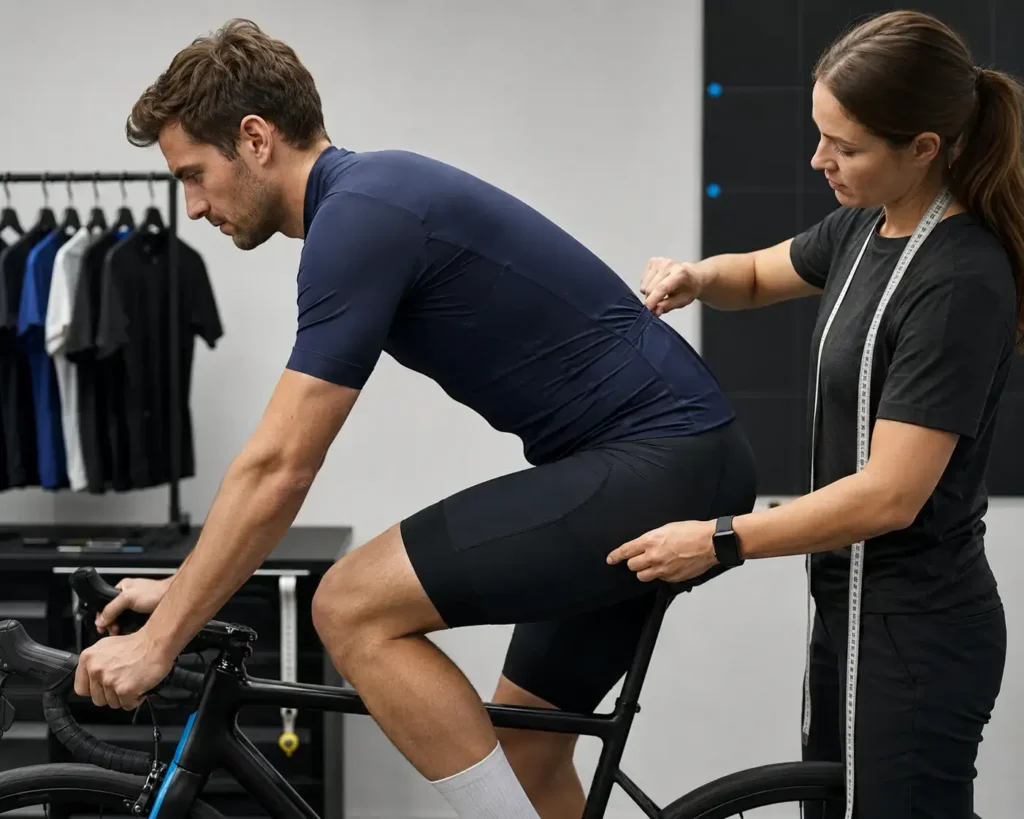
Cycling sports attracted approximately 2.3 million participants in Italy in 2024, representing 10.7% of the sports-active population.
This figure covers cycling that respondents considered a sport. It does not include everyone who rides a bicycle for commuting, transport or occasional recreation, meaning the total number of Italians who use bicycles is considerably higher.
Italy has a deeply established road-cycling culture. The Giro d’Italia, Milano–Sanremo and Il Lombardia connect professional competition with local tourism and amateur riding. According to the Demos survey, 26% of Italians followed cycling, placing it ahead of basketball and rugby in spectator interest.
Participation varies by region and riding discipline. Road cycling, mountain biking, urban riding and cycle tourism all attract different groups, while northern Italy benefits from extensive club networks, mountain terrain and stronger cycling infrastructure.These different riding environments also influence the fabrics, fits and product ranges that brands need when working with a custom cycling apparel manufacturer.
7. Volleyball
Volleyball has fewer participants than football, running or cycling, but it benefits from a strong school, club and national-team structure.
Approximately 5.8% of Italian sports participants played volleyball in 2024, equivalent to around 1.25 million people. This was broadly stable compared with 5.4% in 2015.
The sport has a particularly strong presence among women and young people. School programmes, local clubs, professional leagues and successful men’s and women’s national teams create a well-developed pathway from introductory participation to elite competition.
Volleyball was followed by 31% of Italians, the same proportion as athletics. The strength of Italy’s national teams and domestic leagues gives the sport a level of spectator interest that exceeds its ranking by participation alone.
8. Motorsport
Motorsport is the clearest example of a sport with exceptionally strong fan interest but relatively limited public participation.
The Demos survey measured Formula 1 and motorcycle racing separately. Formula 1 was followed by 38% of Italians, making it the country’s third-most-followed sport after football and tennis. Motorcycle racing attracted another 29%, although the two audiences inevitably overlap. Sky Sport
Ferrari is central to Formula 1’s cultural and commercial significance in Italy. Ducati, MotoGP and major race meetings at Monza and Misano also maintain high levels of national interest in both four-wheel and two-wheel motorsport.
Unlike football, fitness or running, competitive motorsport requires specialist vehicles, circuits, licences and substantial financial investment. Its active population therefore cannot approach its television and digital audience. Because no directly comparable Istat participation figure is available, motorsport’s position in this ranking is based primarily on fan interest.
9. Winter Sports
Istat combines winter sports, ice sports and other mountain activities in one statistical category. Together, they attracted approximately 2.43 million participants in 2024, equal to 11.3% of Italy’s sports-active population.
Participation in the category has recovered to levels last seen in the early 2000s. Trekking has been one of the main sources of growth, increasing from 1.6% of sports participants in 2015 to 4% in 2024.
The Italian Alps, extensive ski infrastructure and winter tourism industry provide a strong foundation for alpine skiing, cross-country skiing, snowboarding and related activities. The Milano Cortina 2026 Winter Olympics also gave these sports exceptional media visibility during 2026.
However, the figure of 2.43 million should not be described as the number of Italian skiers. It includes a much wider range of winter, ice and mountain activities.
10. Basketball
Basketball combines a stable grassroots structure with an established professional audience in Italy.
Approximately 4.9% of Italian sports participants played basketball in 2024, equivalent to around 1.05 million people. This represented an increase from 4% in 2015. Youth clubs, school programmes and public courts provide much of its participation base.
Lega Basket Serie A, the Italian national team and the availability of NBA content all contribute to domestic fan interest. The Demos survey found that 22% of Italians followed basketball, placing it ninth among spectator sports.
Basketball has fewer participants than volleyball but is showing a clearer upward trend. Its combination of more than one million participants and a substantial fan audience gives it a stronger claim to a place in the overall top ten than sports that perform well on only one measure.
Participation and Fan Interest Compared
| Overall rank | Sport | Latest participation data | Fan interest | Main driver of popularity |
|---|---|---|---|---|
| 1 | Football | 4.33 million | 53% | Serie A, the national team and club culture |
| 2 | Tennis | About 1.83 million across racket sports | 39% | Sinner, international success and domestic events |
| 3 | Fitness and gym training | 7.13 million | No comparable figure | Gyms, studios and home workouts |
| 4 | Swimming | More than 4 million across aquatic sports | 29% | Public participation, lessons and major competitions |
| 5 | Athletics and running | About 3.93 million | 31% | Recreational running, road races and athletics events |
| 6 | Cycling | About 2.3 million | 26% | The Giro d’Italia and Italy’s cycling culture |
| 7 | Volleyball | About 1.25 million | 31% | Youth participation, professional leagues and national teams |
| 8 | Motorsport | No comparable figure | F1 38%; motorcycle racing 29% | Ferrari, Ducati and major race meetings |
| 9 | Winter sports | 2.43 million across winter and mountain sports | No comparable figure | Alpine geography, tourism and Milano Cortina 2026 |
| 10 | Basketball | About 1.05 million | 22% | Clubs, the national team and the NBA |
This ranking should not be interpreted as a precise mathematical index. Participation and fan-interest figures come from different surveys, and several Istat categories combine multiple disciplines. The table is better used to understand each sport’s overall place in Italian society than to draw conclusions from small numerical differences.
What Is Driving Sports Popularity in Italy in 2026?
Successful Italian athletes and national teams have a direct effect on public interest. Sinner has transformed the profile of tennis, while football clubs and the national team maintain the sport’s long-standing dominance. Volleyball, swimming and athletics also gain substantial exposure when Italian competitors perform well at major international events.
Health and lifestyle trends are more important for participation-led activities. Fitness, running, swimming and cycling reach broad sections of the population without depending on weekly professional competitions.
Access to facilities also shapes growth. Gyms, swimming pools, tennis and padel courts, cycling routes and winter-sports infrastructure determine which activities residents can practise in different parts of the country.
Milano Cortina 2026 was another major influence during the year. The Winter Olympics raised the visibility of skiing, ice sports and other winter disciplines, although later nationwide surveys will be needed to determine whether that exposure produces lasting participation growth.
Conclusion
Football remains Italy’s most influential sport overall in 2026, even though it no longer has the country’s largest participation base. Fitness attracts the most active participants, while tennis has recorded the strongest recent growth in fan interest.
Swimming, running and cycling retain their importance through broad public participation. Volleyball and basketball combine established club systems with stable audiences. Motorsport draws exceptional support through Ferrari, Ducati and international competition, while winter sports benefit from Italy’s geography, tourism industry and the visibility generated by Milano Cortina 2026.
For companies entering these markets, participation and fan-interest data can also guide product selection before approaching a private label sportswear manufacturer.
A meaningful assessment of sports popularity in Italy must therefore consider participation, organised membership, event audiences and media interest together. No single metric tells the whole story.