PATH 01
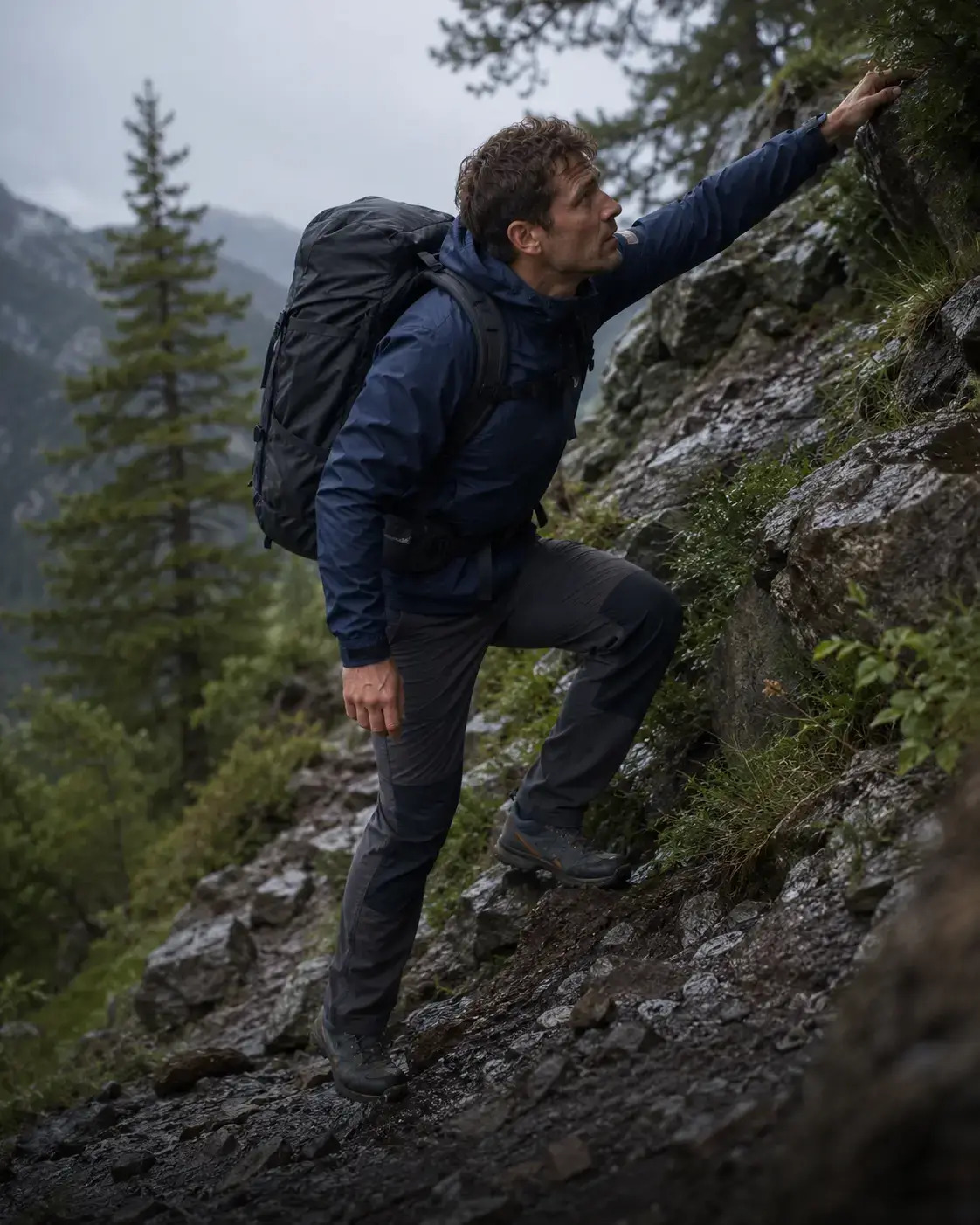
Hiking & Trekking
Walking duration, climbing reach, pack straps, waist belt, trail contact and layer changes.
Outdoor & Specialty Apparel · The Field Briefing System
Develop private label apparel from the activity outward: map the environment, duration, body movement and equipment contact before choosing features or making performance claims.
For outdoor brands, equestrian labels, fishing programs, retailers, distributors and specialist clubs.Choose the Specialist Path First
This page routes the project into the correct specialist brief. It does not pretend that one generic “technical outdoor” specification fits every activity.
Walking duration, climbing reach, pack straps, waist belt, trail contact and layer changes.
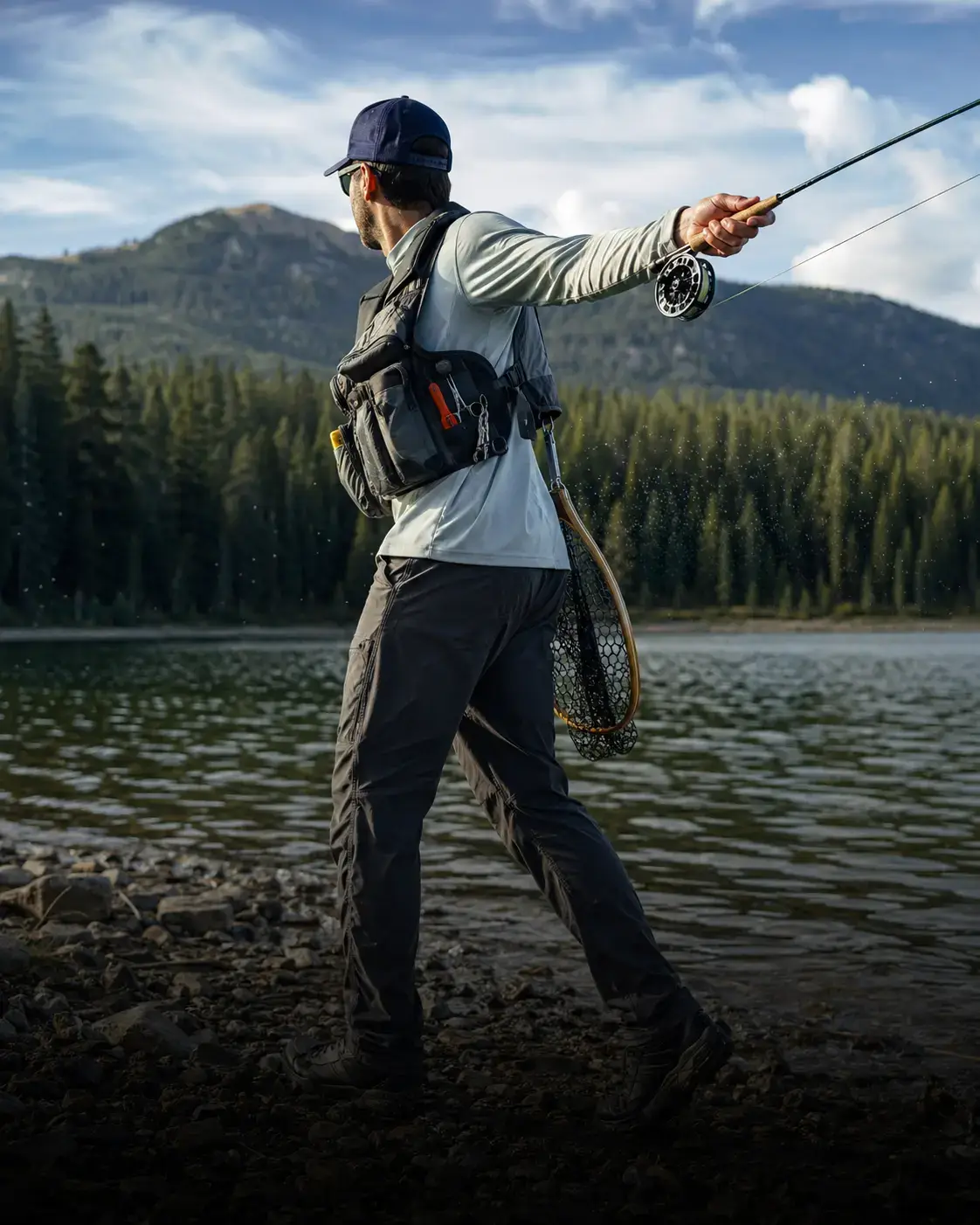
Casting rotation, sun coverage, heat, wet conditions, tool access and loaded storage.
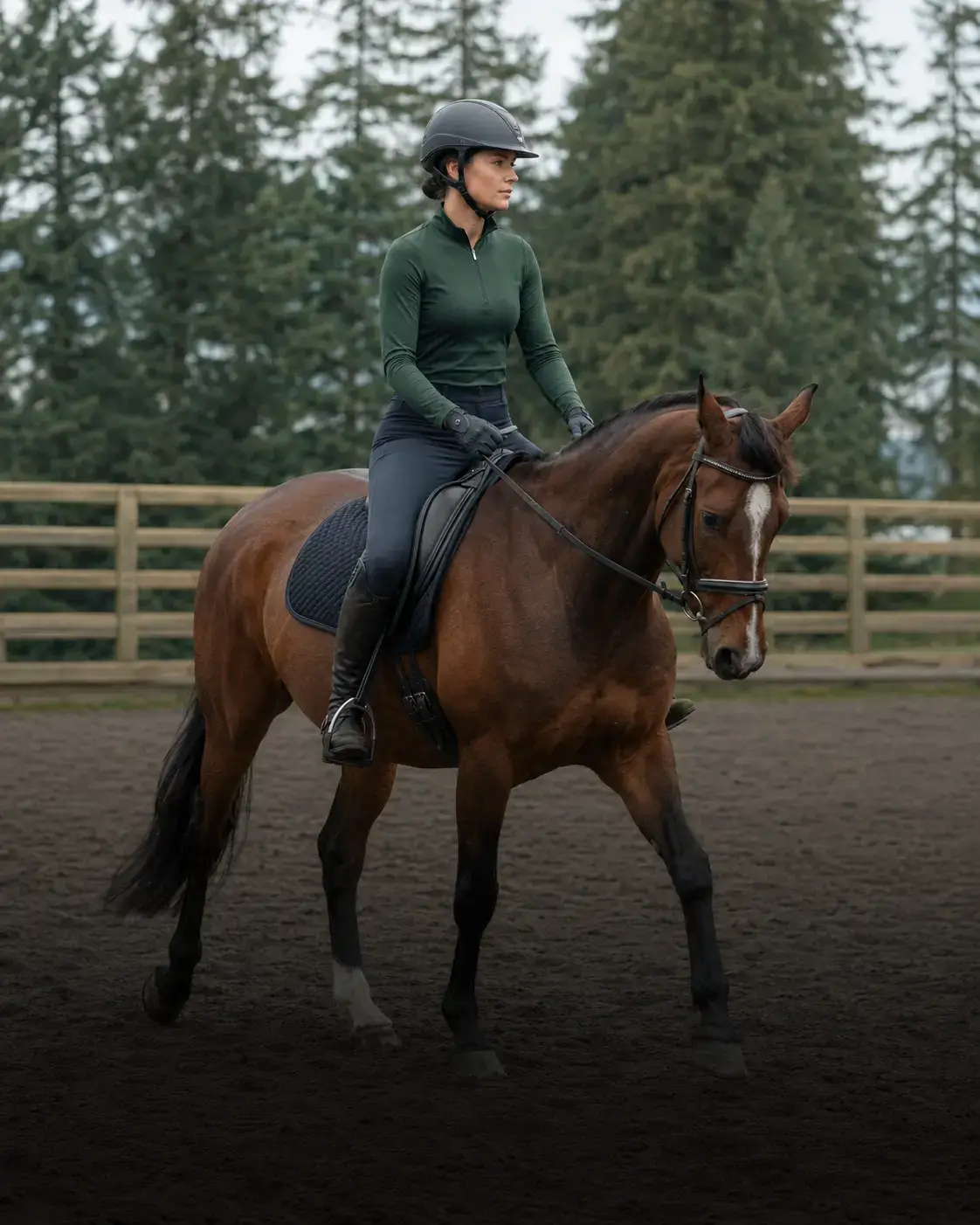
Mounted posture, saddle contact, inner-leg seams, grip zones and stable-to-ring use.
Scope Before Features
A feature only becomes useful when the activity, duration and acceptance requirement are clear.
Heat, sun, wind, rain, cold, salt, mud, vegetation and expected exposure time.
Walking, climbing, casting, crouching, mounting, riding and repeated reach.
Backpack, waist belt, fishing vest, tools, saddle, boots and declared protective equipment.
Requested performance statement, target market, test method and acceptance criteria.
 1234
1234Body-to-Equipment Contact Atlas
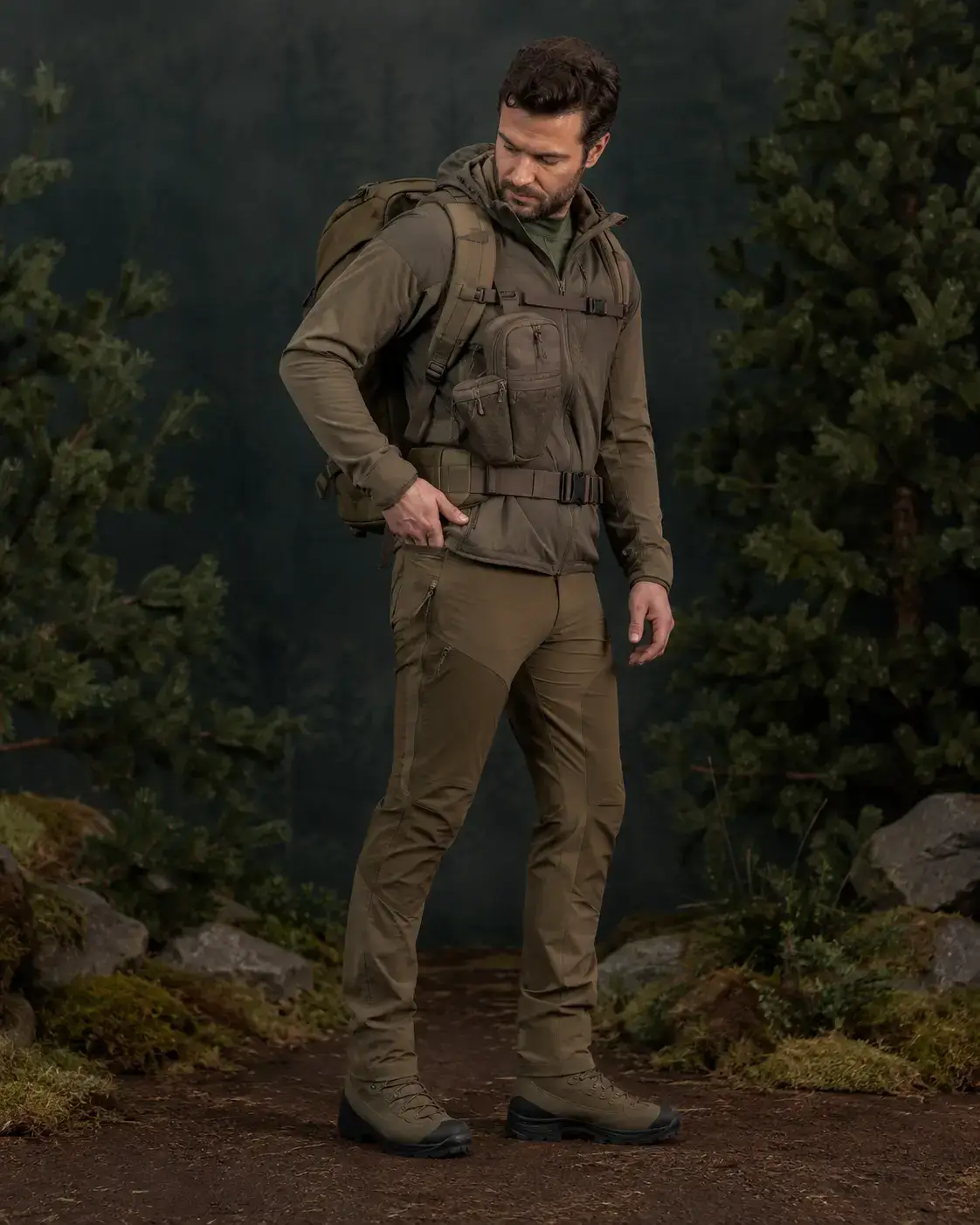
Seam, pocket, ventilation and reinforcement placement should account for the actual equipment worn over or against the apparel.
Backpack straps, fishing movement or riding posture can load this zone repeatedly.
Pack belt, fishing storage or forward riding posture affects seam and pocket access.
Saddle contact, trail movement and repeated flexion require path-specific review.
Tools, phone, map, treats or small equipment need secure, reachable storage.
Real Field Sequences
The sequence reveals use conditions that do not appear in a standing studio fit.
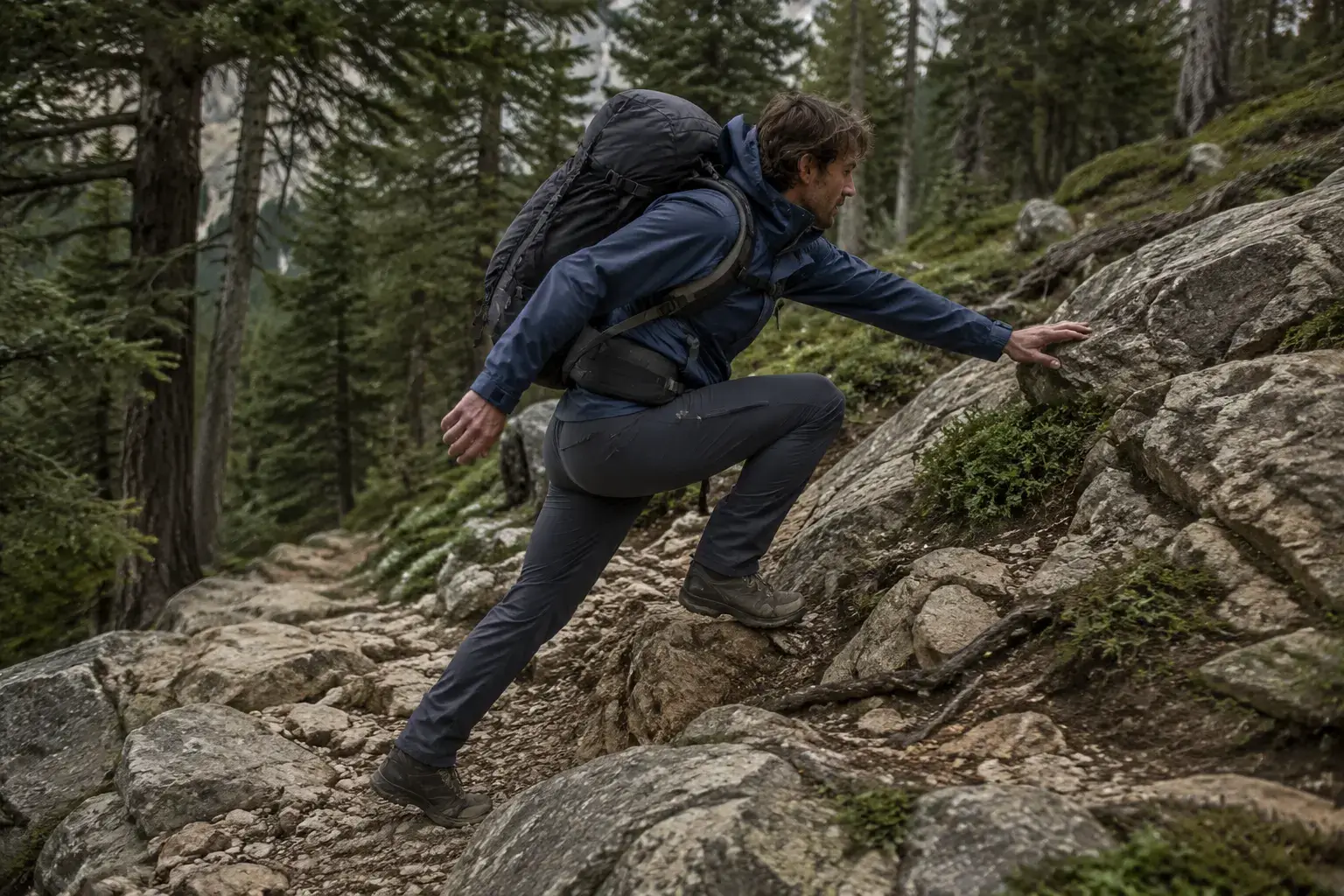
Stride, knee lift, heat and pack movement.
Shoulder mobility, hem and cuff position.
Easy access without removing unnecessary gear.
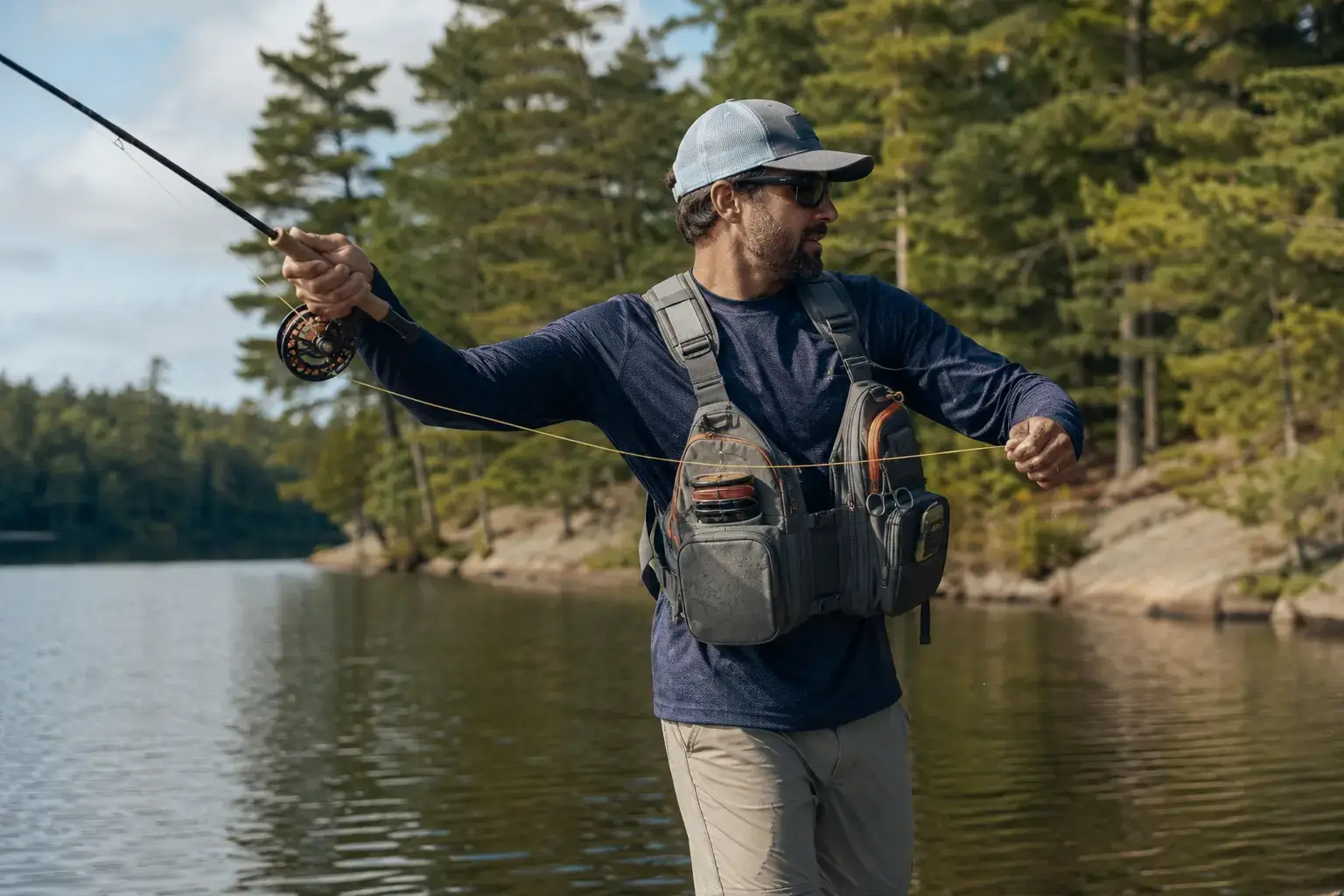
Shoulder reach, torso rotation and cuff control.
Tool access, wet hands and closure usability.
Sun coverage, ventilation and loaded storage comfort.
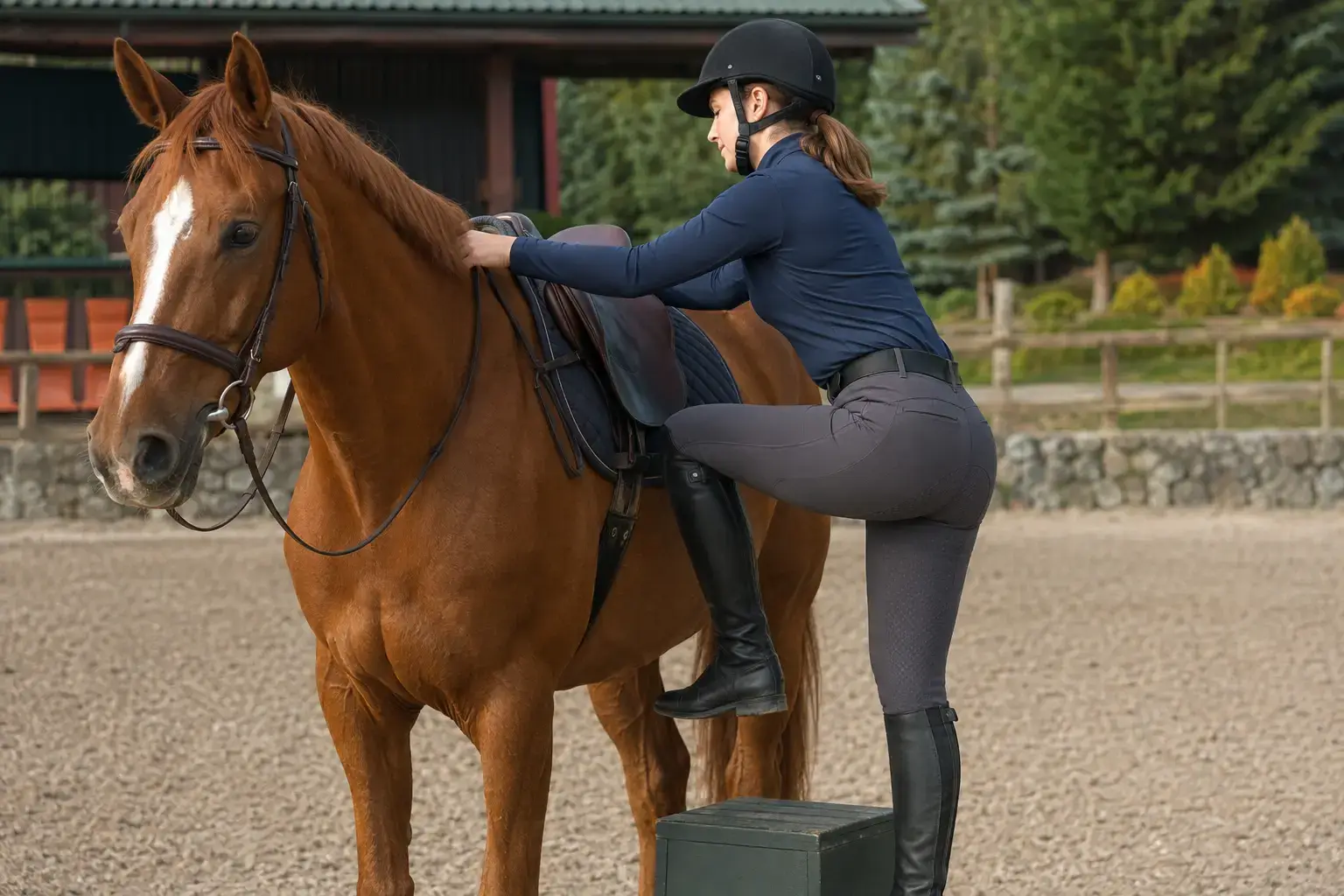
Hip range, rise, hem and layer clearance.
Forward/upright posture, saddle and inner-leg contact.
Walking, pocket access and changing thermal needs.
Layer Deployment Map
The system is specified around the activity and equipment interface rather than repeating the Outerwear product page.
Comfort, coverage and movement against the body during the intended activity.
Added warmth or coverage while preserving reach and equipment clearance.
Wind or precipitation route defined by material, seams, closures and requested claim.
Recheck the combined layers under pack straps, vest, saddle position or declared equipment.
Claim-to-Evidence Board
Textile standards provide test methods for physical and performance properties; the applicable method and pass criteria must be chosen for the specific product and market.
| Requested Claim | Development Question | Evidence Route Before Approval |
|---|---|---|
| Water Resistance | Which exposure level, material, seams and closures? | Define the applicable method and acceptance criteria |
| Waterproof | Is the complete garment construction within project capability? | Review materials, seam route, closures and required testing separately |
| UV / UPF | Which fabric, color, garment area, target rating and market? | Use an applicable textile/garment test and approved claim wording |
| Abrasion Resistance | Which contact zone, surface and end-use expectation? | Define specimen, method, cycles and pass criteria |
| Thermal Performance | What activity level, climate and complete layer system? | Specify evaluation basis; do not promise a universal temperature range |
Field-Use Sample Review
Select the relevant actions and equipment for the chosen specialist path; do not apply one universal outdoor test to all three.
Stride, heat, chafe zones and pocket load.
Shoulder, back, cuff and hem movement.
Access, bounce, pressure and distortion.
Pack, waist belt, vest or saddle interface.
Bulk, mobility, openings and gear clearance.
Fit position, surface change and wearer comments.
This apparel page does not claim capability for helmets, certified protective riding vests, flotation devices, high-visibility PPE or other regulated life-safety products. Such items require separate capability, certification and regulatory review. For equestrian use, applicable federation/event clothing and protective-equipment rules remain the buyer’s required input.
Before Development Starts
These inputs prepare the shared contact form and route the inquiry without adding a duplicate final CTA module.
Activity path: hiking/trekking, fishing/marine, equestrian or a clearly described specialist use.
Exposure envelope: climate, sun, wind, water, duration, frequency and terrain.
Equipment list: pack, belt, vest, tools, saddle, boots and any separate protective equipment.
Product and fit: garments, layers, size range, measurement chart and reference samples.
Claim and rule scope: target market, requested tests, standards, federation or event requirements.
Commercial plan: colors, branding, quantities, target price, destination and launch date.
Buyer Questions
No. Their posture, movement, equipment contact, storage, exposure and rule inputs differ. Shared materials may be possible, but each path needs its own product brief and sample review.
No. Finished-garment performance also depends on seams, closures, construction, design and the chosen test criteria. Water-resistant and waterproof claims are not interchangeable.
No. UV protection depends on the actual approved textile and relevant variables such as construction, color and condition. Use an applicable test and approved claim basis.
Equipment changes pressure, movement, seam contact, ventilation and pocket access. A standing sample without representative gear cannot reveal those interactions.
Not through this general apparel scope. Helmets, certified body protection, flotation products and other regulated safety equipment require a separate capability and compliance review.
Send the activity, environment, duration, products, designs, size range, fit data, equipment contact, layer system, claims/tests, branding, quantity, market and delivery target.
Share your product type, sport, target quantity and customization requirements. Our manufacturing team will review the project and recommend the next step.
Only your name and email are required. All other fields are optional.