01 / DAILY ROAD
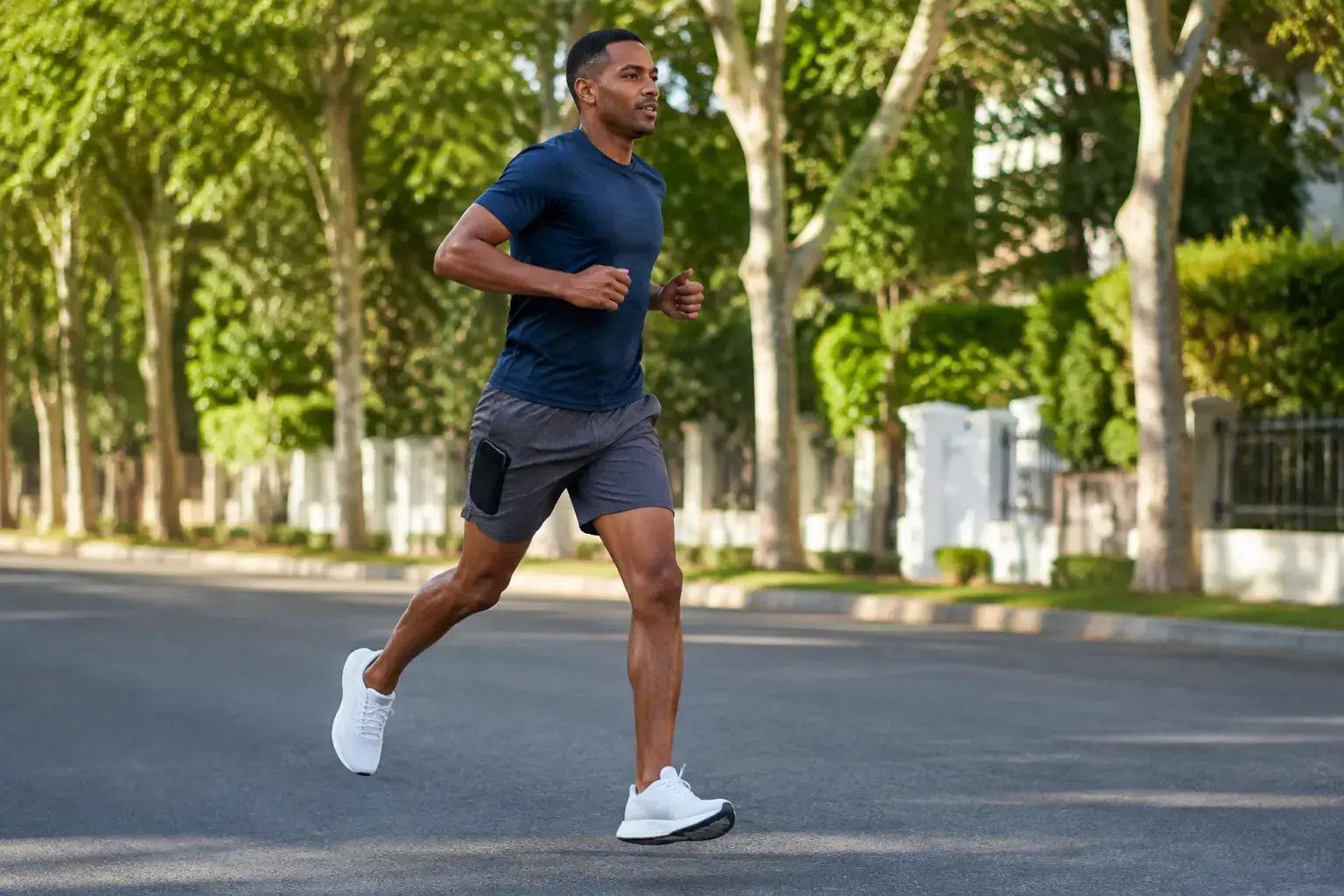
Everyday Training Miles
Versatile products balance repeat wear, practical storage and changing training intensity.
Comfort over distancePhone/key storageRepeat-wear planning
Distance & Climate Running Development
Develop private label running collections around distance, pace, weather exposure, stride clearance and what the runner must carry from the first kilometer to the finish.
Running in the Real World
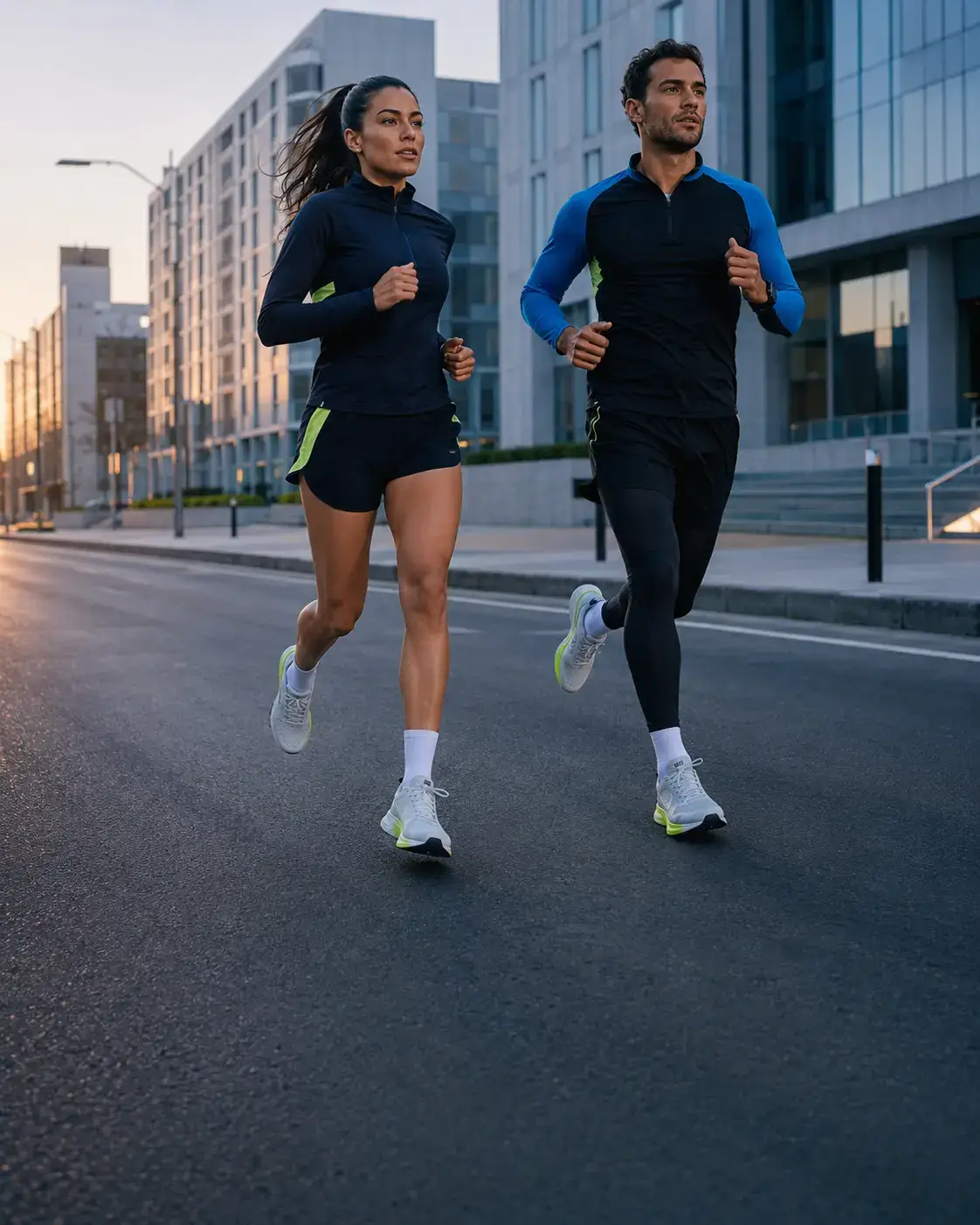
The same short, top or jacket should not be assumed to serve every distance, pace and weather condition.
Versatile products balance repeat wear, practical storage and changing training intensity.
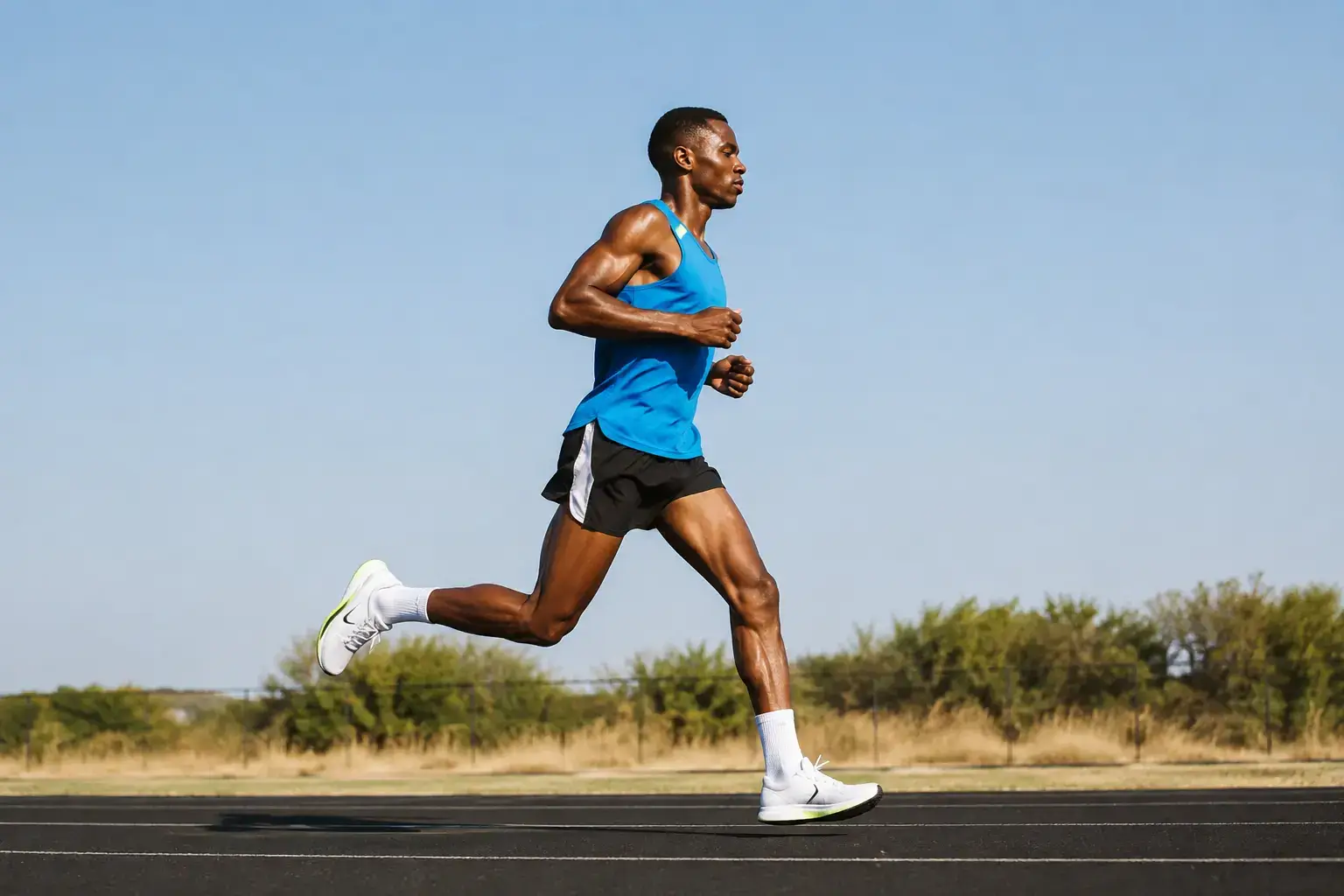
Higher output shifts attention toward low bulk, ventilation and secure garment movement.
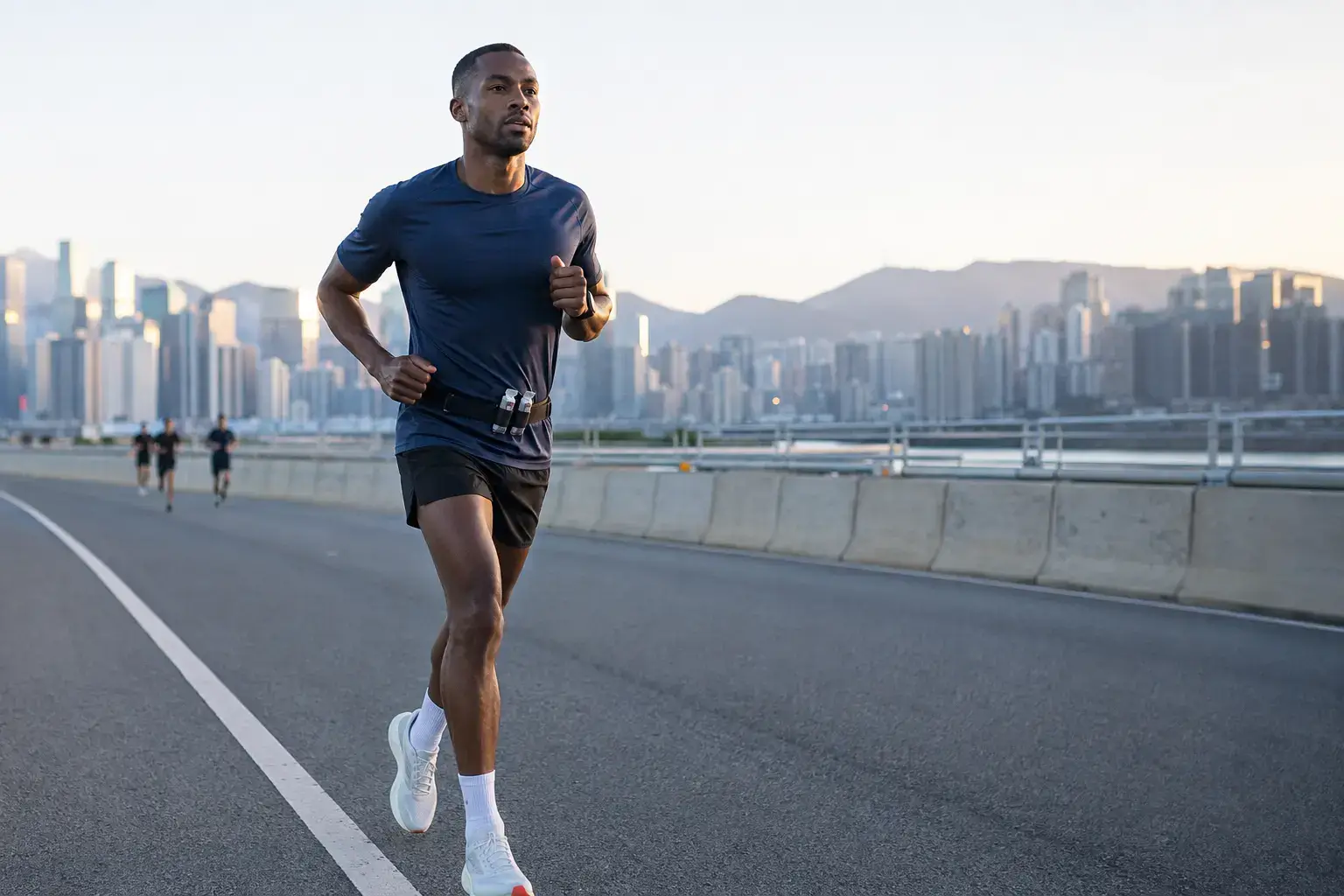
Time on body makes friction, fuel storage, waistband pressure and weather exposure more significant.
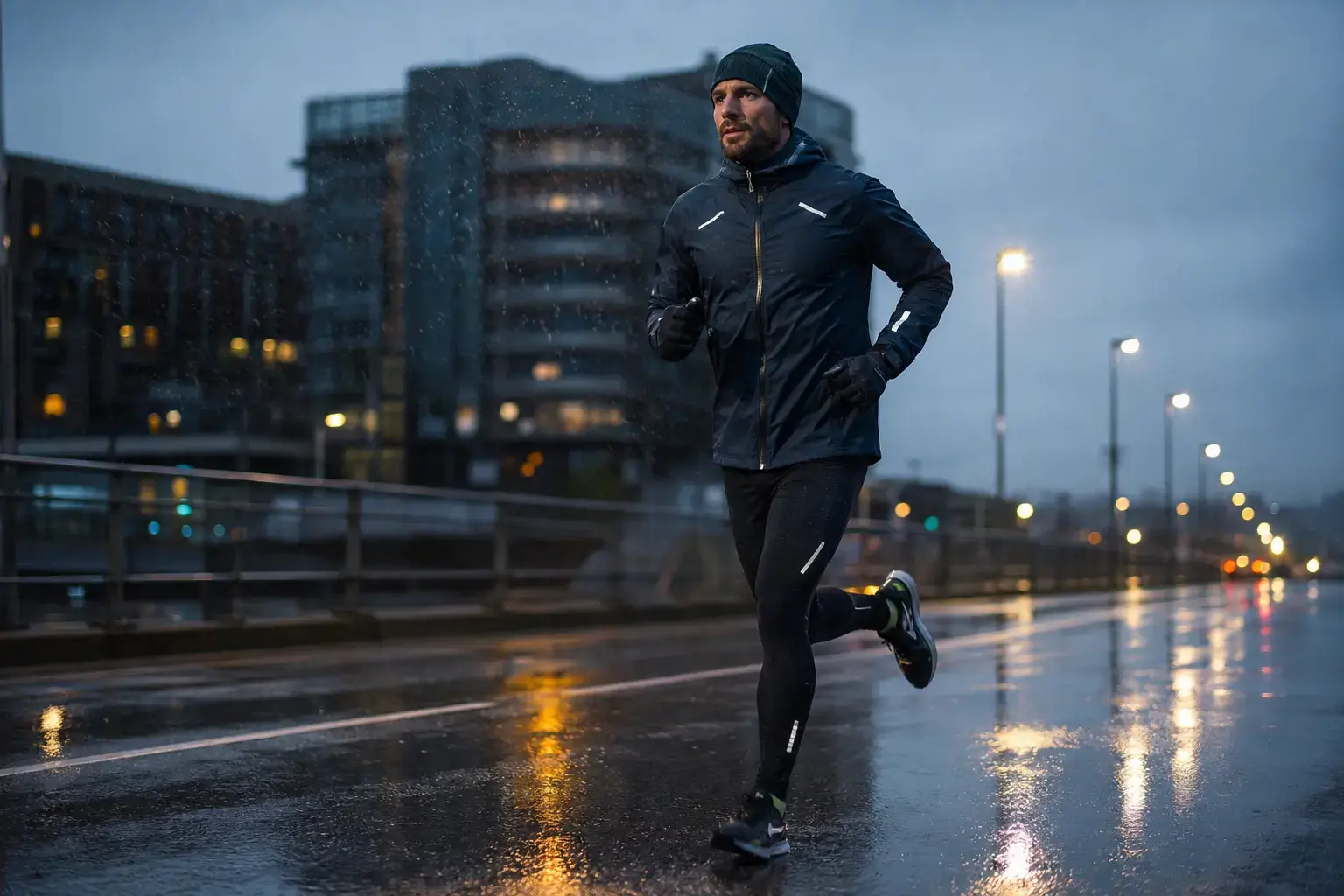
Layering, wind exposure, light precipitation and visibility details become part of the kit.
Distance Changes the Brief
As time and distance increase, small issues in storage, pressure and friction can become more important.
A simple kit may prioritize easy movement, practical storage and repeat use.
FOCUS: versatility and low complicationTempo and interval sessions place more emphasis on ventilation and stable fit.
FOCUS: heat, pace and stride clearanceLonger duration increases the value of friction review and compact fuel storage.
FOCUS: comfort and carry capacityFit, storage, weather exposure and extended wear should be considered together.
FOCUS: complete race-day systemRunner’s Kit Stack
Each layer has a different role. The final combination depends on distance, climate and customer preference.
Sports bras, briefs and close-to-body layers.
Tops, singlets, shorts, tights and fitted bottoms.
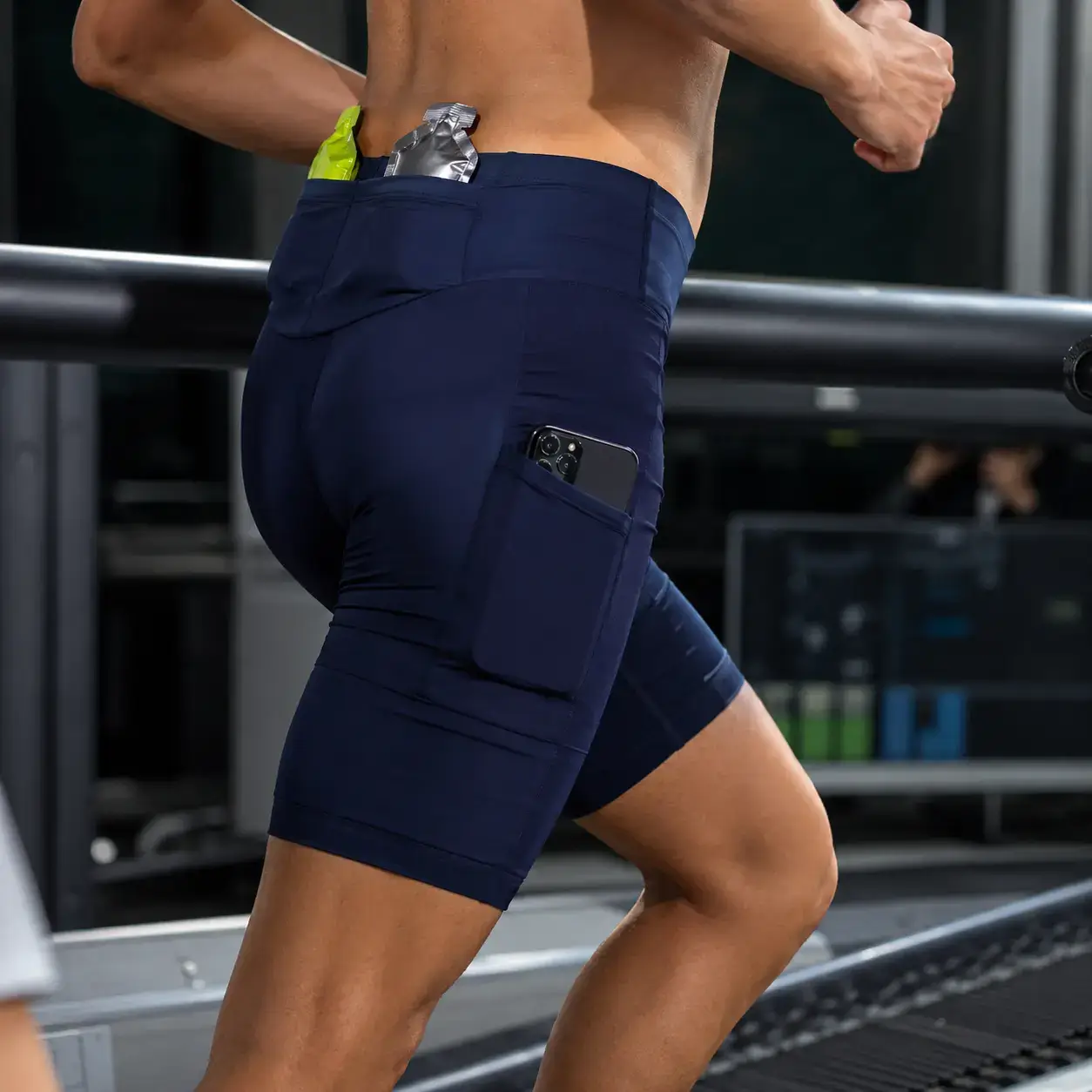
Integrated pockets for phone, keys and fuel.
Long sleeves, vests and lightweight running jackets.
 1234
1234Stride-Zone Engineering
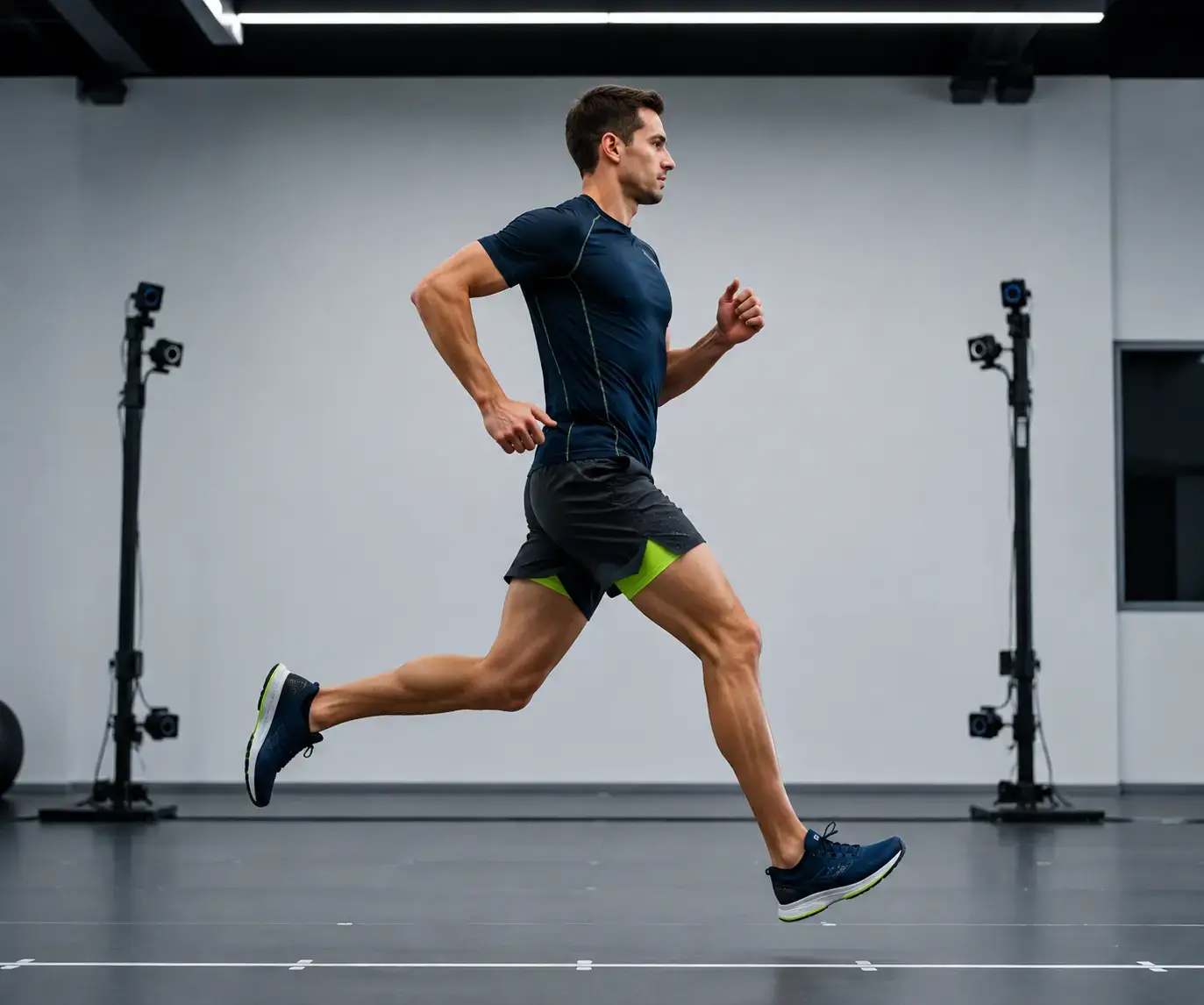
Running repeats the same garment movements thousands of times, making seam, opening and pocket placement important.
Review armhole, sleeve and side-body clearance without excess flapping.
Coordinate waistband tension, drawcord, pocket load and access.
Assess stride mobility, liner interaction, seam position and friction risk.
Balance clearance, coverage and garment movement at the intended pace.
Climate Kit Planner
Plan climate-specific combinations instead of expecting one fabric weight to work everywhere.
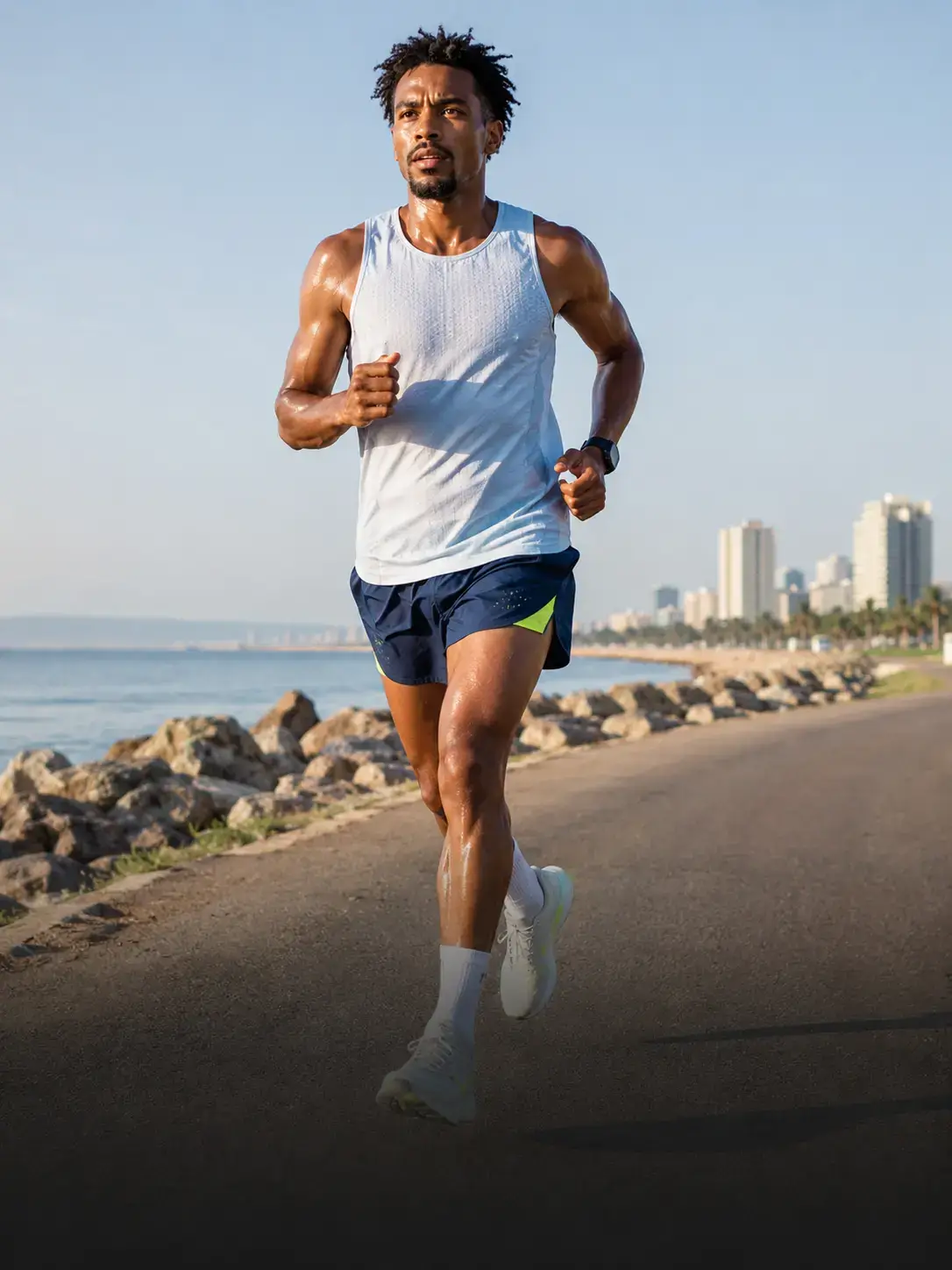
Lower-bulk options with coverage and durability still reviewed.
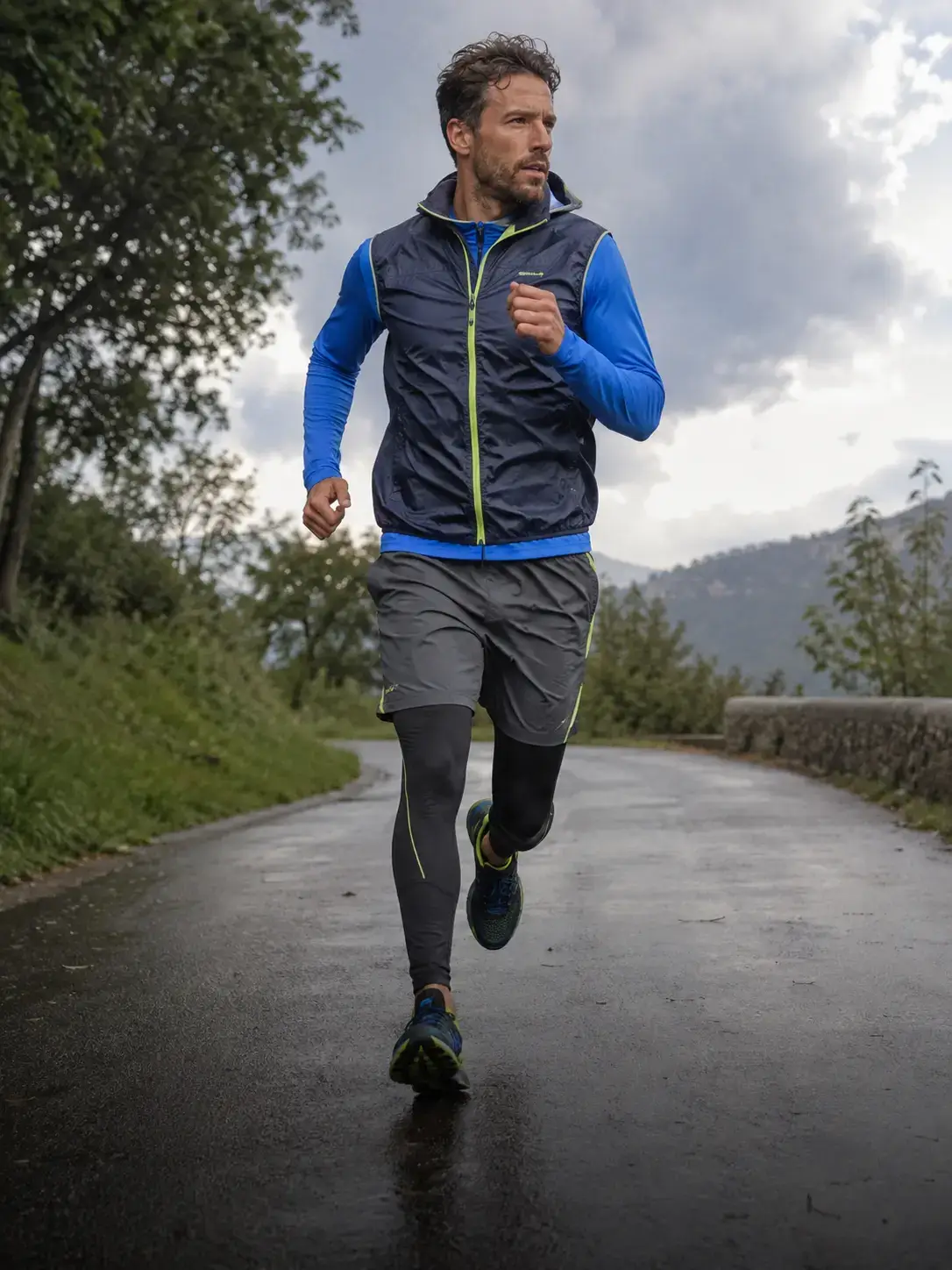
Products designed to add, remove or pack as conditions change.
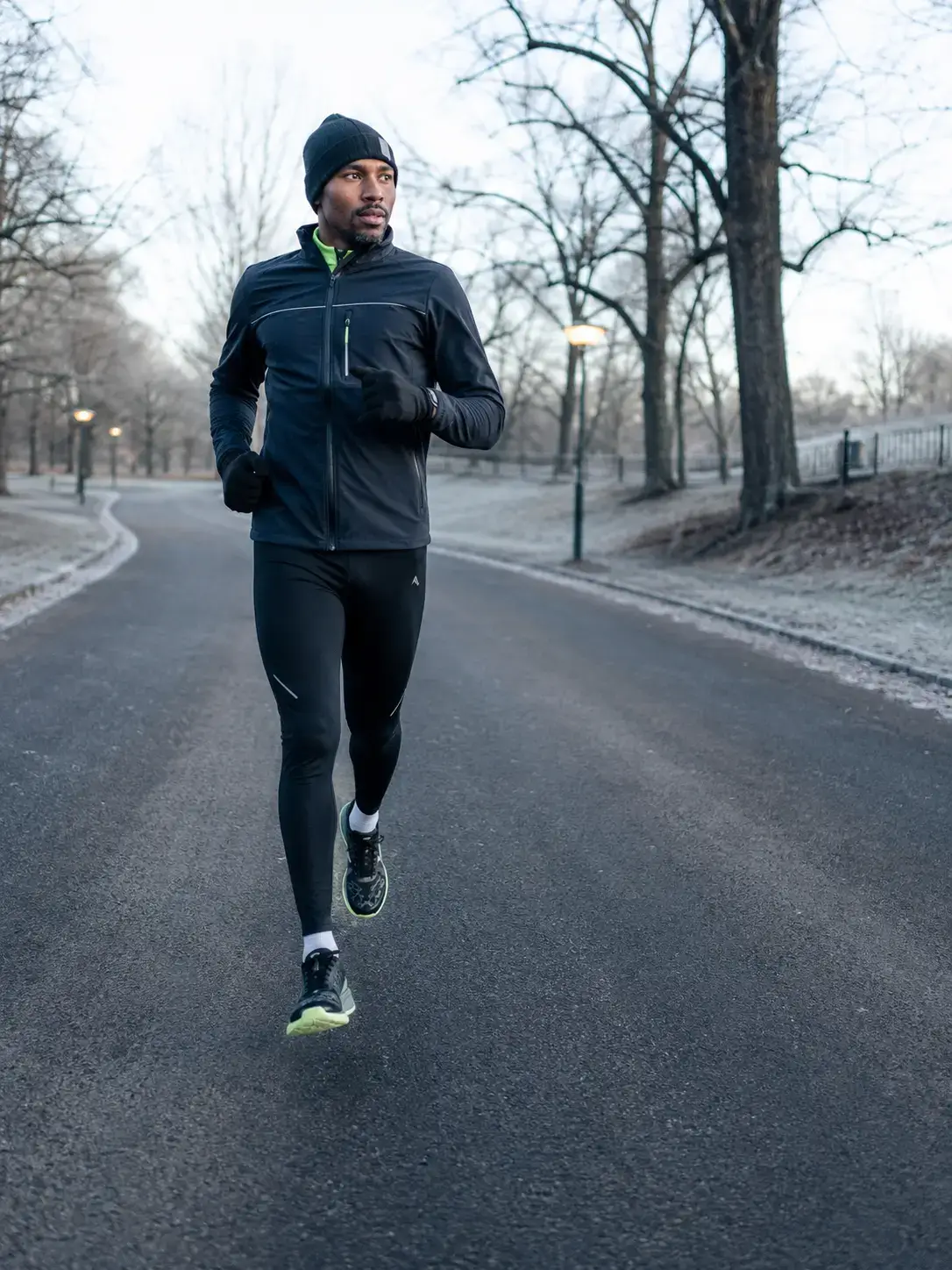
Base, warmth and weather layers selected for active heat generation.
Running Storage Laboratory
Capacity alone does not define a useful pocket. Position, opening, pocket bag, carried object and garment tension work together.
Low-Light Detail Planning
Review visibility concepts across the moving body and garment silhouette, not only as a small static logo.
Claim Boundary
Material, area, placement, viewing conditions and the applicable test standard all matter. Avoid unconditional “guaranteed safe” claims unless the finished product is developed and evaluated against a defined requirement.
Running-Specific Development
Road use, pace and duration.
Heat, cold, wind, rain and light.
Movement, friction and storage zones.
Fit, materials, layers and details.
Assess agreed pace and carried load.
Lock grading and production data.
Prepare the Running Brief
Road-running context, target distance and intended pace
Product list, kit combinations and gender/customer profile
Target climate, season and weather exposure
Designs, tech packs, references and size range
Storage objects, visibility details and required tests
Colors, branding, quantity, packaging and delivery target
Buyer Questions
No. Lined and unlined routes serve different preferences and layering systems. Liner shape, support, opening, seam placement and shell interaction should be developed as one garment.
Position, pocket dimensions, opening, pocket-bag support, garment tension and phone size all affect movement. The sample should be reviewed with the intended device or representative load.
It can be. Longer duration may increase the importance of friction, fuel storage, waistband pressure, weather changes and extended comfort, but the final brief depends on the target runner.
Not automatically. Reflective decoration and certified high-visibility clothing are not equivalent. Certification requires the applicable materials, design coverage and defined testing standard.
Not necessarily. Warm, variable and cold conditions can require different weights, structures, layers and protection targets. Material claims should be based on defined specifications and testing.
Send the running scenario, target distance and climate, product list, tech packs or references, customer, sizes, materials, carry requirements, colors, branding, quantities, packaging, testing needs and delivery date.
Share your product type, sport, target quantity and customization requirements. Our manufacturing team will review the project and recommend the next step.
Only your name and email are required. All other fields are optional.